As the world continues to navigate the complexities of the COVID-19 pandemic, understanding the disease’s intricate nature and its lasting effects on individuals and society remains crucial. COVID-19, caused by the SARS-CoV-2 virus, emerged in January 2020, rapidly becoming a global health crisis.
Symptoms and Challenges
COVID-19 presents a wide array of symptoms, from the common fever and fatigue to more severe manifestations like respiratory failure and multi-organ dysfunction. For many, these symptoms appear between one to fourteen days post exposure. While 81% of patients experience mild to moderate symptoms, a significant 14% endure severe complications such as dyspnea, as cited in various health reports.
Transmission and Contagion
The virus’s primary modes of transmission involve the inhalation of infectious particles and direct contact with the eyes, nose, or mouth. This risk is notably higher in close-quarters situations, where airborne particles can linger, especially indoors. Interestingly, individuals can remain contagious for up to 20 days, spreading the virus even in the absence of symptoms.
Long-term Effects and Ongoing Studies
One of the virus’s more perplexing aspects is its long-term impact, widely known as “long COVID.” Patients may suffer health repercussions for months or even years, with ongoing studies endeavoring to comprehend these lasting effects better.
Testing and Prevention
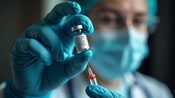
Accurate testing methods, such as RT‑PCR and RT‑LAMP from nasopharyngeal swabs, have paved the way for identifying COVID-19 infections effectively. Meanwhile, mass vaccination campaigns worldwide signify a monumental step forward in curbing the pandemic.
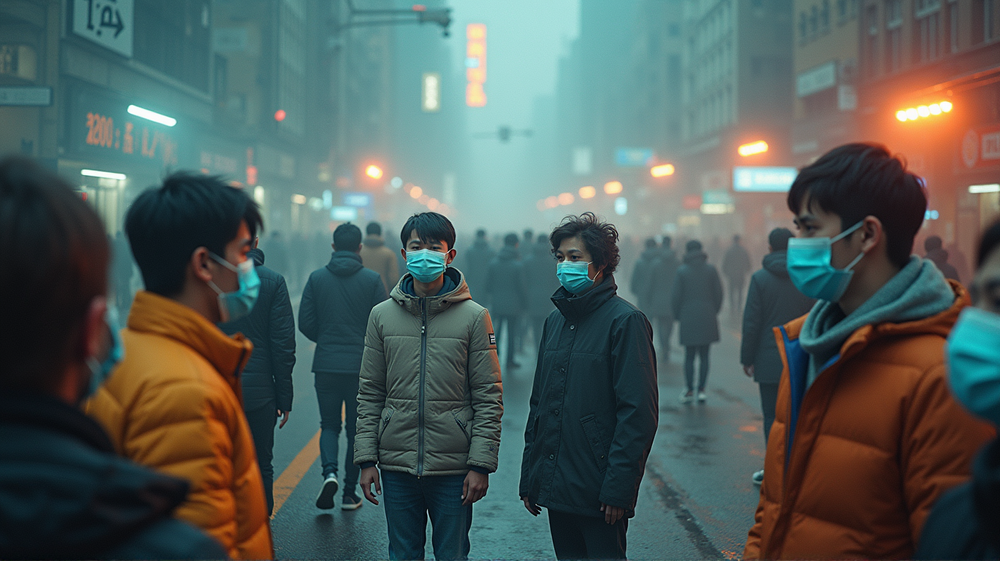
Accompanying vaccines, preventive strategies have proven essential—ranging from physical distancing and wearing masks to hand hygiene and improving indoor ventilation. While therapeutics continue to emerge, symptomatic care forms the cornerstone of treatment.
According to Sportitalia, these insights underline the ever-evolving narrative of COVID-19 as the world strives to heal and adapt in response to this unparalleled challenge.